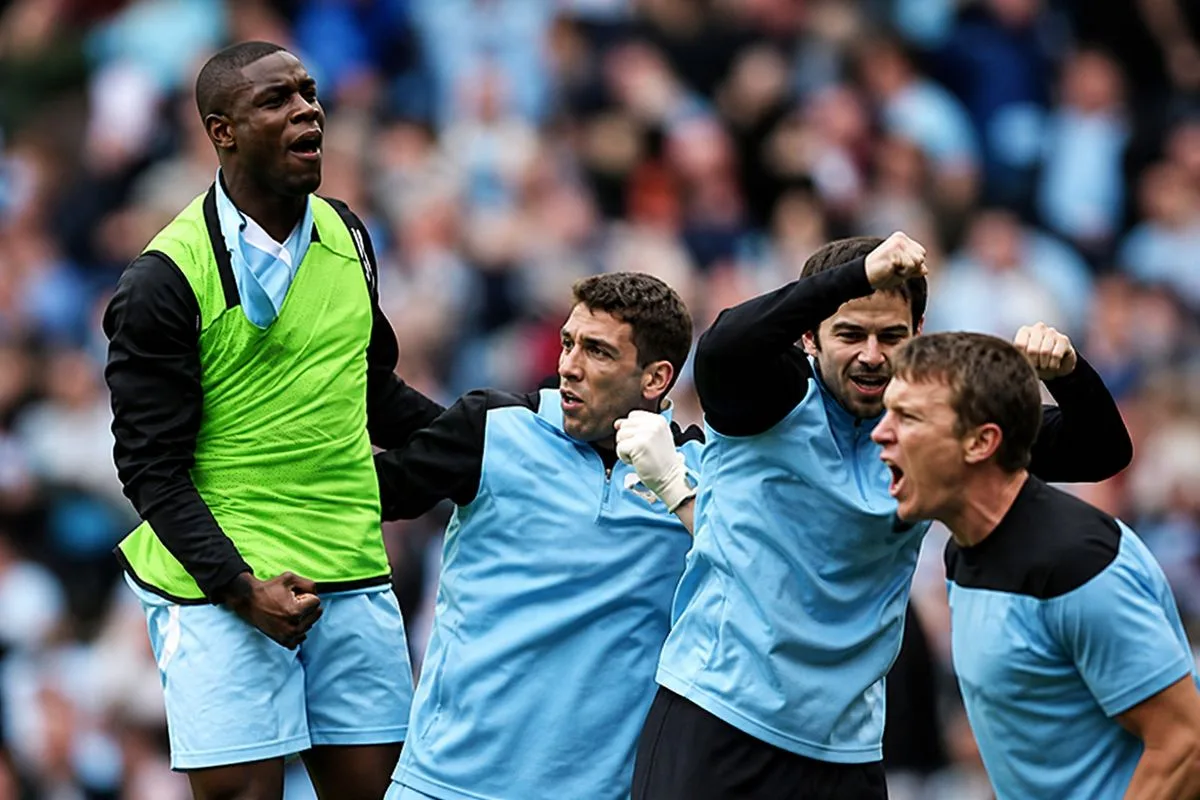
Micah Richards reacts to Manchester City guilty verdict, and what it means for his legacy
Micah Richards and the Manchester City guilty verdict, a public reckoning in real time
Micah Richards is not just another ex player with a microphone. In 2026, he is one of the most recognisable voices in football coverage, a familiar face across major broadcasters, and a former Manchester City defender whose identity is still tightly bound up with the club. So when headlines report Richards as “absolutely devastated” after a Premier League guilty verdict against Manchester City, it lands with extra weight. It is personal, it is professional, and it is messy in a way that modern football rarely manages to avoid.
The available source material is limited to headline level detail, so it is not possible to quote Richards directly beyond the phrasing already reported, or to specify the precise wording of the Premier League’s findings. But the thrust is clear: Richards publicly expresses a mix of sadness, anger, and confusion, while acknowledging that City continue to maintain their innocence. That combination matters. It signals a pundit trying to hold two ideas in his hands at once, loyalty to a club that shaped him, and the reality that a governing body has reached severe conclusions.
And it is not happening in a vacuum. Richards is also a club ambassador, a role that tends to come with expectations about tone and alignment. At the same time, he is a media figure paid to react honestly and quickly. Those two jobs can coexist, right up until a moment like this, when the club’s reputation becomes the story.

What the headlines actually say, and what they do not
The key development is straightforward: Manchester City are on the receiving end of a Premier League guilty verdict, described in the headlines as “severe findings”. Richards responds publicly, saying he is “absolutely devastated”. Another headline adds that he breaks his silence, describing a mixture of sadness, anger, and confusion, while noting City still maintain their innocence.
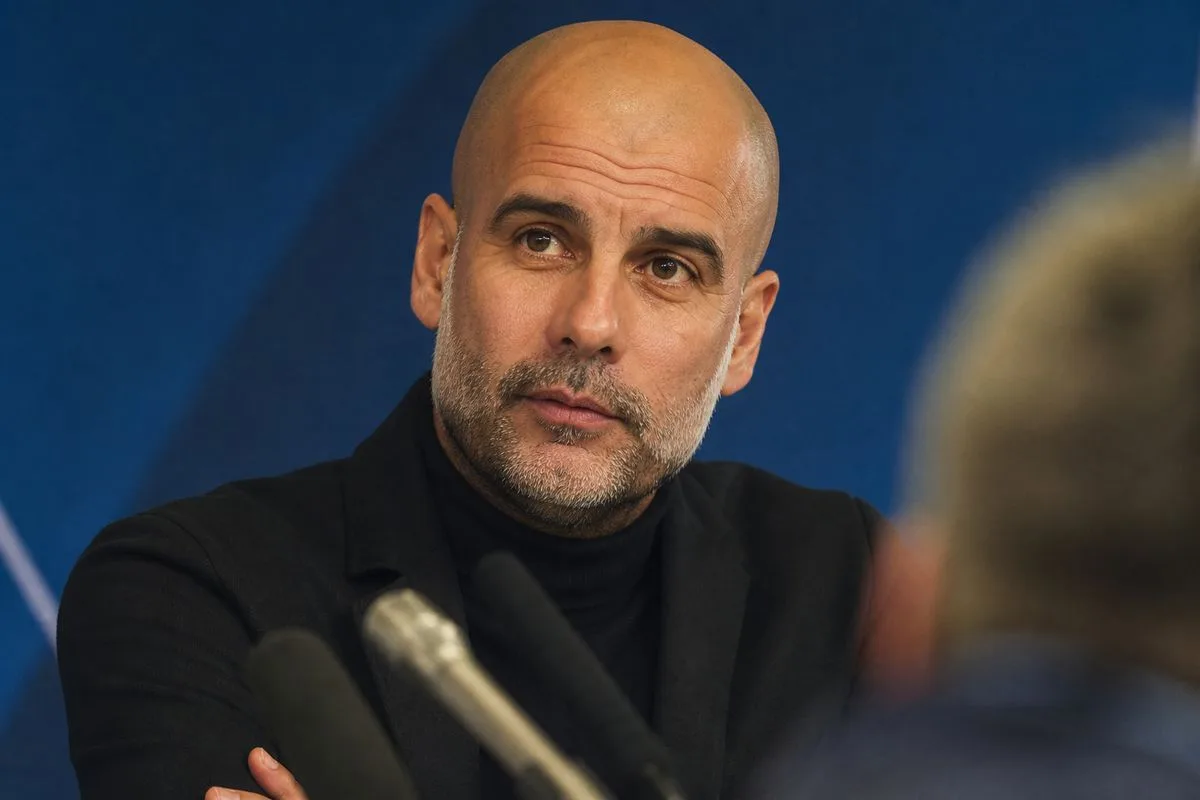
But there are gaps that readers should be aware of. The source material provided does not include the written decision, the specific charges, the sanctions, or the timeline of the adjudication. It also does not include a full transcript of Richards’ comments, the programme he said them on, or whether they were delivered in a studio segment, a podcast, or a social clip. That means any responsible analysis has to focus on what is verifiable here, namely the fact of his reaction and the tension it reveals.
Still, even at headline level, the story tells on itself. Richards is not defending the verdict, and he is not celebrating it either. He is describing emotional fallout, and that is a different kind of intervention. It is the language of someone who feels the club’s pain, and perhaps his own, but also understands that the public expects him to address it.
In a media ecosystem that rewards hot takes, “devastated” is almost old fashioned. It is not a legal argument. It is not a tactical breakdown. It is a human response to institutional judgement, and that is why it travels.
Micah Richards, the player Manchester City still claim as their own
To understand why Richards’ reaction matters, it helps to remember what he represents. According to the biographical material available, Richards begins his senior career at Manchester City and makes 245 appearances across ten seasons. Those are not cameo numbers. That is a decade of being part of the furniture, through managerial changes, squad churn, and the club’s transformation into a modern superpower.
That same summary notes he wins a Premier League title and an FA Cup with City. Again, the source material does not specify the seasons, opponents, or match details, so they cannot be responsibly added here. But the point stands: Richards is not a peripheral figure from a forgettable era. He is associated with silverware, with the club’s rise, and with the idea of City becoming something bigger than they used to be.
After City, the same biographical line indicates “a season on …” before the snippet cuts off. That incompleteness is a reminder of how easily public memory gets reduced to fragments. Richards’ playing career is often summarised as City, then injuries, then media. But the emotional bond with City remains the headline hook, because that is what most people searching “micah richards” are trying to place. Who is he, why is he everywhere, and why does he sound like he cares so much?
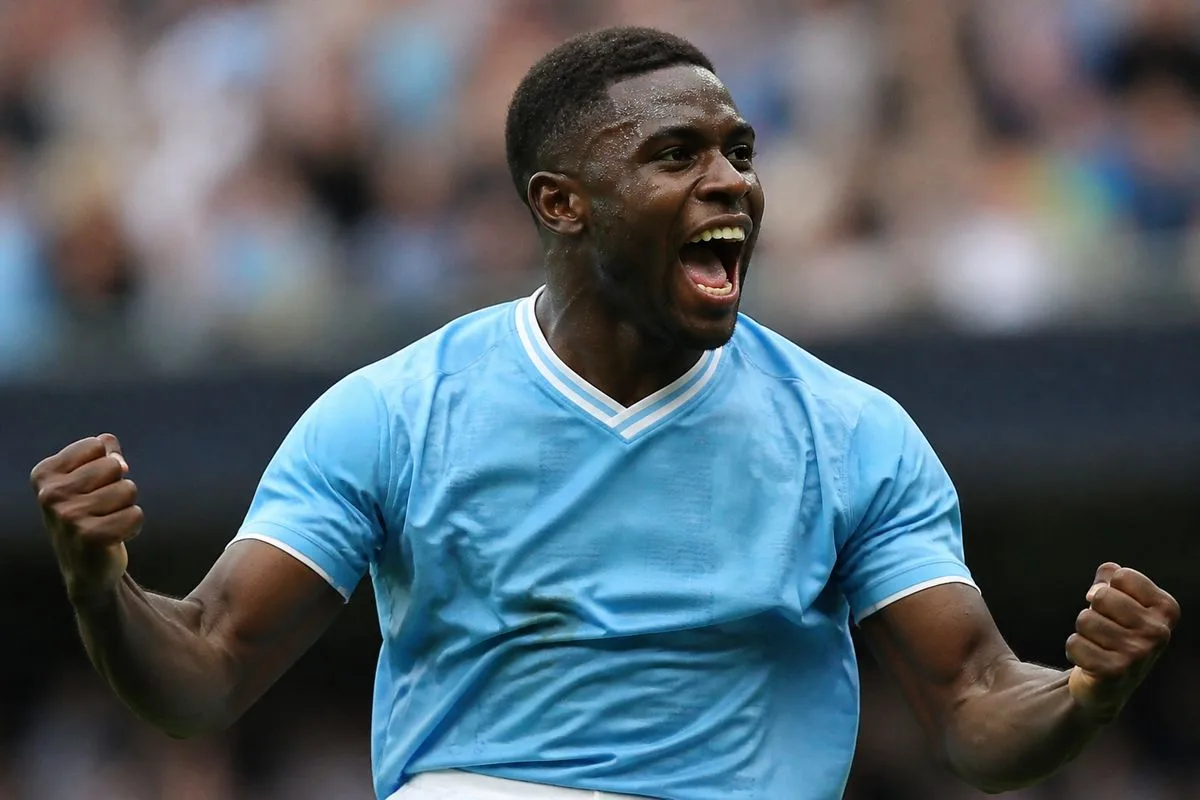
And yes, he is everywhere. His social profile description, as captured in the source material, lists BBC Sport, Sky Sports, and CBS Sports, plus “The Rest Is Football”. That multi platform presence turns him into a kind of football narrator. When a narrator sounds shaken, audiences notice.
From right back to broadcaster, why Richards’ voice carries in 2026
Richards’ post playing identity is not accidental. He has become a mainstream pundit with a recognisable style, and that style is built on accessibility. He is not trying to sound like a lawyer or a sporting director. He talks like a former dressing room figure who still remembers what it feels like when a club gets hit by something bigger than a bad result.
That matters because the Manchester City verdict story is, by nature, complex. Fans want clarity, rivals want vindication, and neutrals want a clean narrative. Broadcasters, meanwhile, want a segment that makes sense in three minutes. Richards sits at the intersection of those demands. He is expected to be both emotionally authentic and editorially useful. Not an easy brief.
There is also the ambassador angle. The source material includes a Reddit thread explicitly asking, “Why is micah richards our ambassador?” with commenters questioning motives and allegiance. Reddit is not evidence of wrongdoing or a representative sample of a fanbase, fair enough. But it is a useful barometer of how quickly a public figure’s role becomes contested when a club is under pressure. Ambassadors are meant to be safe. In a crisis, nobody feels safe.
And Richards has another complication: he is a pundit first in the public mind, and a former player second. That flips the usual hierarchy. When he reacts to City’s guilty verdict, he is not just reacting as an ex defender. He is reacting as a media brand whose credibility depends on being seen as honest, even when it hurts.
The awkward middle ground, loyalty, innocence claims, and the limits of punditry
The most telling detail in the headlines is the pairing of two ideas: Richards is devastated, and City maintain their innocence. That is the awkward middle ground many ex players occupy when their former clubs face institutional judgement. They are not investigators. They are not judges. They often do not know the evidence. But they do know the people, the training ground, the supporters, and the sense of identity that comes with wearing a badge for a decade.
So what can a pundit do? They can react emotionally, which Richards reportedly does. They can remind audiences that a club disputes the findings, which he also reportedly does. They can avoid overreaching into legal certainty, because that is where punditry tends to embarrass itself. The temptation is to declare the matter settled, or to dismiss it as a witch hunt, depending on tribal preference. Richards, at least in the headline framing, does neither. He sits in discomfort.
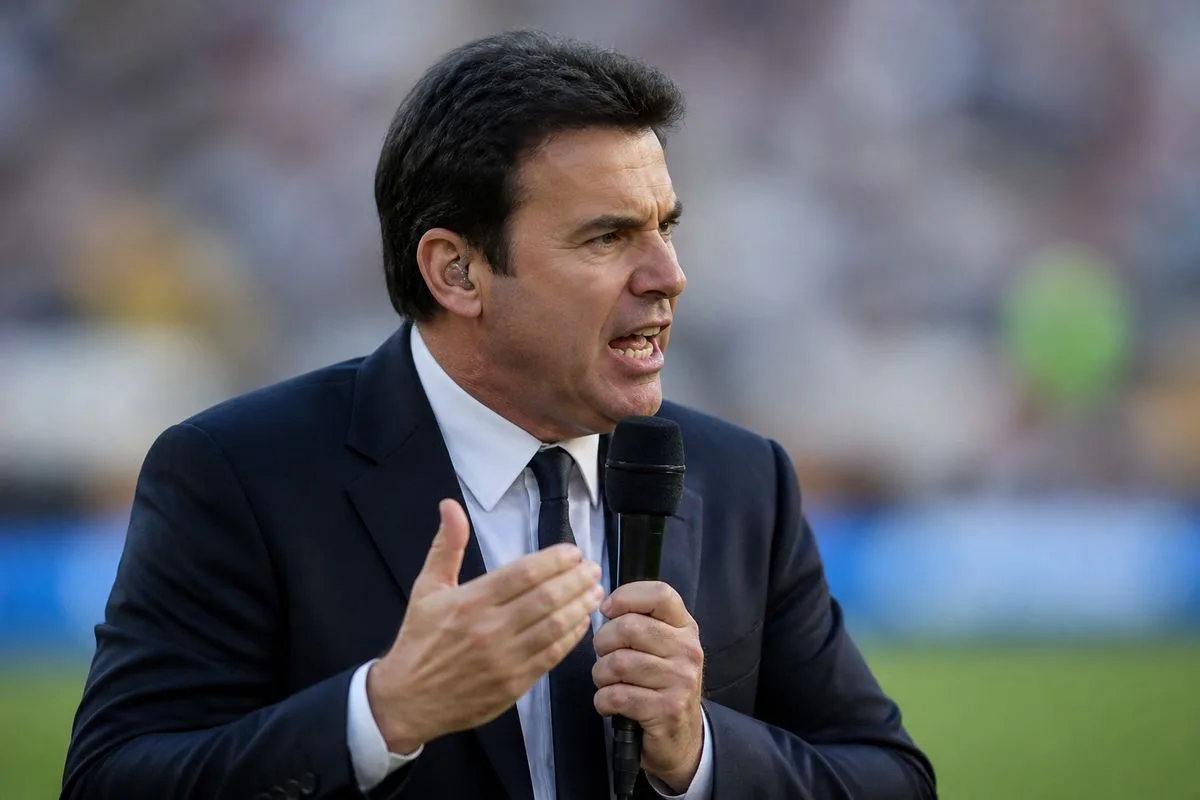
That discomfort is not weakness. It is arguably the only honest posture available when the public is demanding certainty and the underlying process is opaque to outsiders. Richards’ sadness and anger can be read in multiple ways, anger at the situation, anger at the damage to the club’s name, anger at the idea that something he was part of is now being reinterpreted. Confusion is the most revealing emotion of all, because it admits that the story is bigger than a studio debate.
There is also a reputational risk for Richards personally. If he is seen as too sympathetic, critics will call him a mouthpiece. If he is seen as too critical, some City fans will treat him as disloyal. That is the trap door beneath modern punditry, and this verdict story opens it wide.
What this moment does to the Micah Richards brand, and why fans argue about him
Richards is a lightning rod, and not only because of what he says on television. The source material includes multiple community discussions about him, including harsh criticism from Aston Villa supporters and scepticism from Manchester City fans about his ambassador role. Those posts are opinions, not facts. But they show something important: Richards is not a neutral figure drifting above the game. He is a personality, and personalities attract factions.
One Reddit thread about Aston Villa calls him “a disgrace” and alleges he “stole from the club” and “offered nothing”. The source material does not provide evidence, context, or adjudicated findings to support those claims, so they cannot be treated as established truth here. What can be said, safely, is that some supporters remain angry about his Villa spell, and that anger still surfaces years later. That is football memory for you. It is long, and it is selective.
Another older discussion references long term knee issues and suggests he was heading for retirement around age 30. Again, the source material does not provide medical detail, dates, or club statements, so it is not possible to expand with certainty. But it aligns with the broad public understanding that injuries curtailed his playing career. That, in turn, helps explain why his media career has become the main stage for his relationship with football.
So when Richards reacts to City’s guilty verdict, audiences are not hearing a blank slate. They are hearing a man with a complicated football biography, a club affiliation that still defines him, and a public persona that some people love and others actively resent. That mix makes his reaction more newsworthy, not less.
How Manchester City’s verdict reshapes football conversations, even when details are scarce
Even without the full written ruling in the provided material, it is possible to analyse the directional impact of a “guilty verdict” with “severe findings”. It changes the tone of every conversation around the club. Transfers, sponsorships, titles, academy development, even matchday atmospheres, all get filtered through a new question: what does it all mean now?
For pundits, it also changes the job. The easy content used to be tactics, personalities, and big match moments. Now there is governance, regulation, and credibility. Viewers want pundits to speak with authority on processes they have never worked in. That is why emotional honesty, like Richards’ reported devastation, can cut through. It does not pretend to be a legal brief. It admits the human cost of institutional conflict.
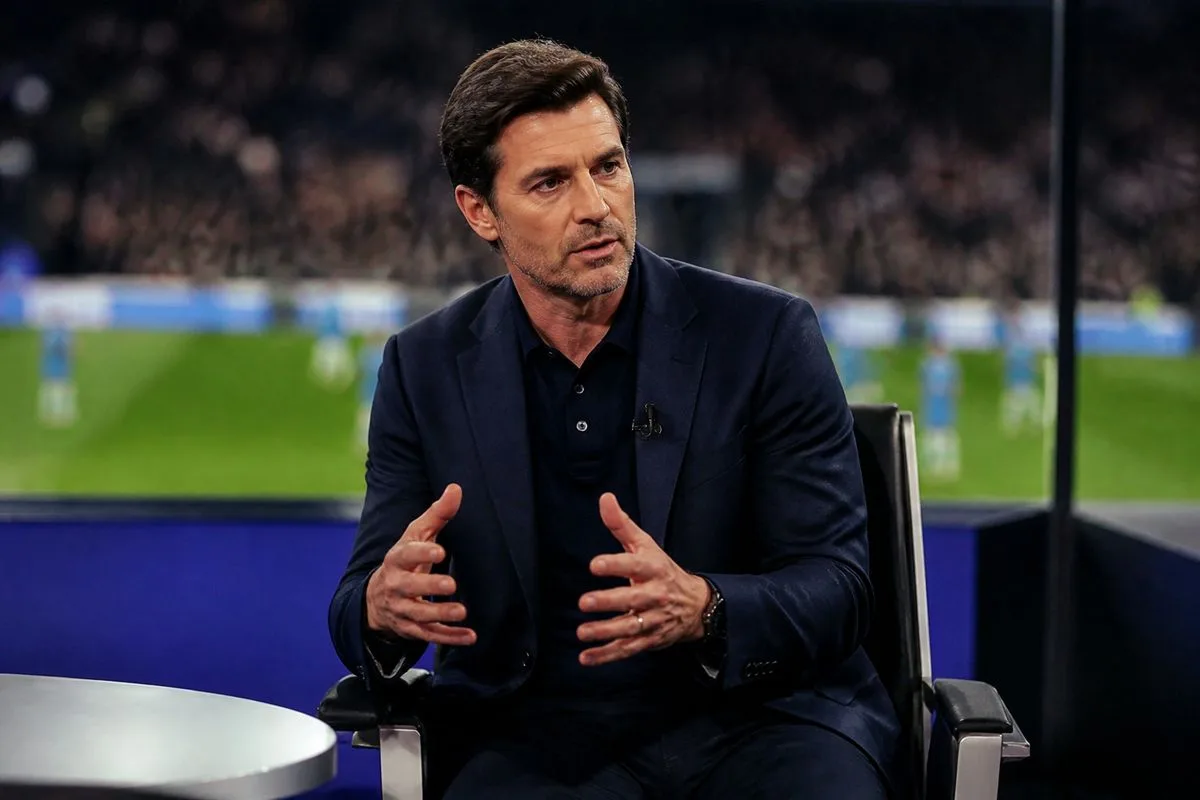
For the industry, the verdict becomes a reference point. Rival fans will use it as a stick. Club executives elsewhere will watch to see how enforcement actually works. Players will wonder what it means for contracts and legacy. Sponsors will weigh reputational risk. And journalists will have to navigate a landscape where every statement is litigated in the court of public opinion within minutes.
Richards, because of his visibility across BBC Sport, Sky Sports, and CBS Sports, becomes one of the faces of that navigation. He is not deciding anything. But he is helping shape how millions emotionally process it. That is influence, whether anyone likes it or not.
Micah Richards’ legacy, caught between medals, memories, and modern scrutiny
Richards’ playing legacy, at least in the hard numbers provided, is substantial: 245 appearances for Manchester City across ten seasons, plus a Premier League title and an FA Cup. That is a career most professionals would bite your hand off for. But legacy is not only a list of honours. It is also the story people tell about an era, and verdicts like this have a habit of rewriting the tone of that story.
This is where things get delicate. Richards is not on trial. The headlines are about his reaction, not his culpability. Yet when a club is found guilty of serious wrongdoing, the public often re examines everything connected to the club’s success, including the players who were there, the matches they won, and the culture they lived inside. It is not always fair, and it is rarely precise. But it happens.
In that environment, Richards’ best asset is credibility. Not the kind that comes from pretending to know more than he does, but the kind that comes from being consistent. If he is devastated, say so. If the club maintains its innocence, acknowledge it. If he does not have the documents, do not bluff. That approach might not satisfy the loudest voices on either side, but it is the only way to stay standing when the story keeps shifting.
And there is a final irony. Richards’ media career has made him more famous than he ever was as a right back. That means his legacy is now being written in real time, not in highlight reels. His reaction to this verdict, and how he handles the next phase of the story, will shape how audiences remember him, perhaps as much as any medal ever did.
Closing thoughts, a pundit’s pain, a club’s crisis, and a sport that cannot look away
Micah Richards’ “absolutely devastated” reaction is news because it feels unfiltered, and because it comes from someone who is both insider and broadcaster. He is not a detached commentator. He is a former Manchester City player with 245 appearances for the club, a title winner, and now a prominent media figure whose voice carries across multiple major platforms.
But it is also news because it captures the mood of football in 2026. The sport is still brilliant on the pitch, and still chaotic off it. Governance stories are no longer niche. They are front page. When a Premier League guilty verdict hits a club as big as Manchester City, it does not stay contained to boardrooms and legal documents. It spills into studios, podcasts, group chats, and yes, into the face of a pundit who looks genuinely rattled.
What happens next depends on details not included in the provided material, namely the precise findings, the sanctions, and the club’s next steps. But one thing is already clear: Richards is going to be asked about this again, and again, and again. And every time, he will have to balance loyalty, honesty, and the simple fact that he is watching a club he loves go through something huge.
This article was created with Blog Builder AI