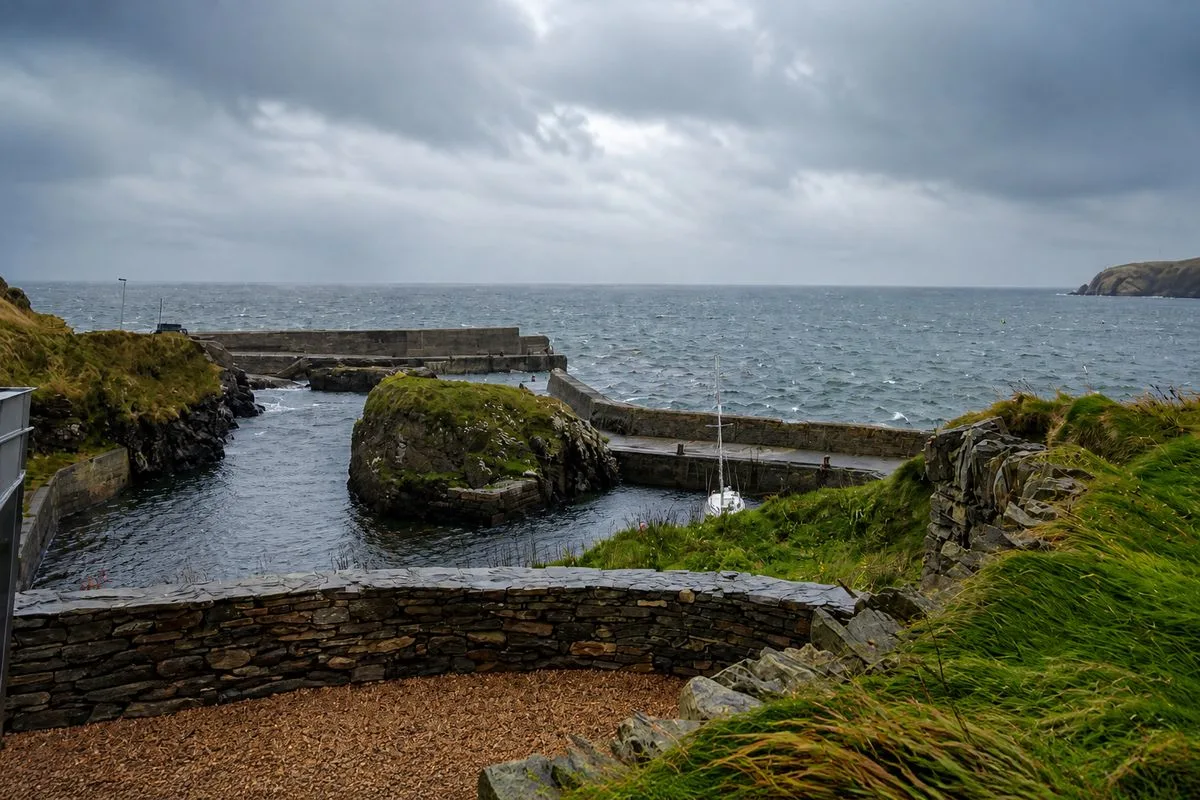
Overdue fishing vessel Western Isles: what the Lewis search tells us about offshore safety
1. The overdue fishing vessel Western Isles incident, what is confirmed so far
This guide looks at the real world response to an overdue fishing vessel Western Isles alert, using the ongoing search off the Isle of Lewis as the case study. The question most people are asking is simple and grim: what happens when a small fishing boat does not come home, and what does a modern search and rescue operation actually throw at it? The criteria here are practical rather than theoretical: speed of mobilisation, breadth of assets, coordination, and what it means for crews working in rough weather.
What is confirmed, from the information available on 14 October 2026, is stark. Police say a body has been found in the search for three men who were on board a fishing boat that has gone missing off the Western Isles. Police Scotland states the body has been recovered but formal identification has yet to take place. The next of kin are aware and are being supported by officers. And two men remain missing as searches continue.
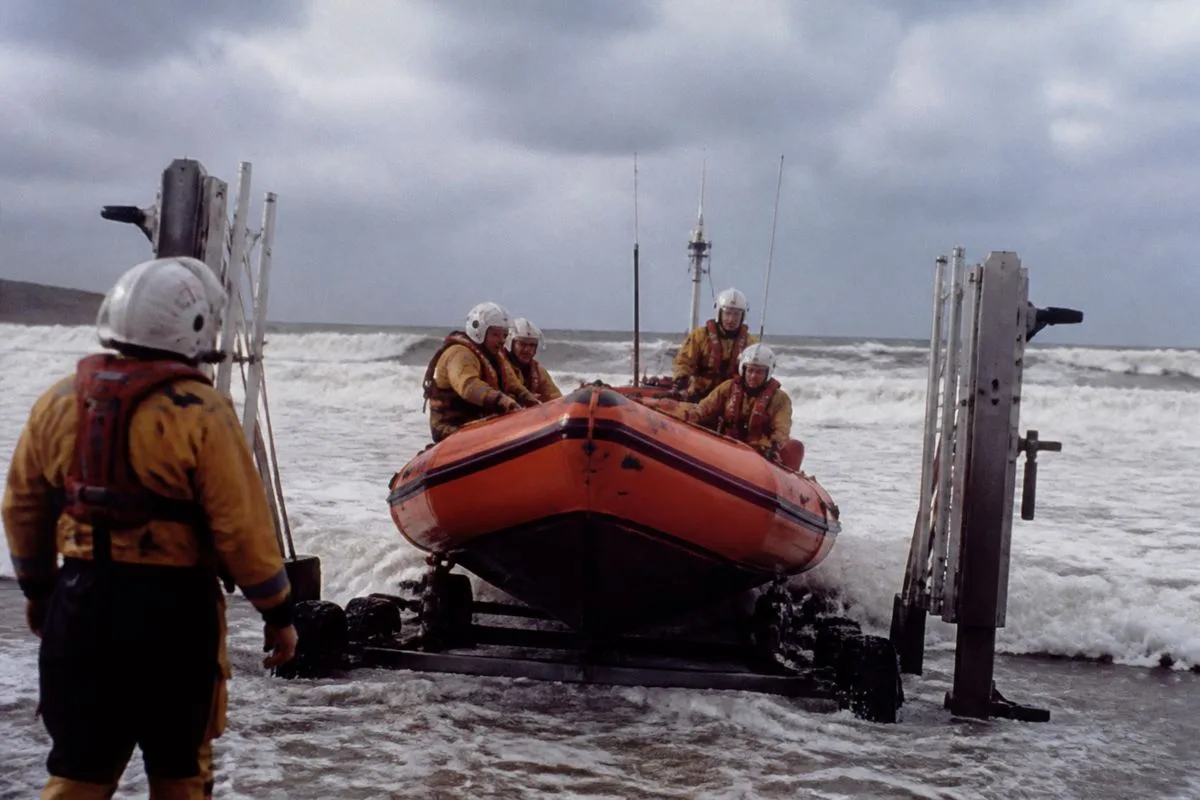
The timeline matters because it shows how quickly an “overdue” situation escalates. The Maritime and Coastguard Agency says the alarm is raised at about 21:20 on Tuesday when it emerges the boat is overdue from Lewis. The RNLI says Stornoway’s all weather lifeboat launches at 21:42 to search for the overdue fishing boat, and Lochinver’s all weather lifeboat joins a short time later. The search continues into Wednesday morning, with air and ground assets in play.
Availability and pricing: Not applicable in the consumer sense. Search and rescue is a public service and charitable mix, with RNLI lifeboats crewed by volunteers. The “availability” question is operational: whether aircraft, lifeboats, and teams can be tasked quickly and safely in the conditions at the time.
- Pros: Rapid escalation from overdue report to lifeboat launch, multi agency involvement, continued searching into the morning.
- Cons: Even a fast response cannot guarantee outcomes, especially when weather turns and daylight is limited.
Verdict: This is the clearest reminder that “overdue” is not a minor admin issue, it is the trigger for an all in, time critical rescue effort.

2. Search assets deployed off Lewis, the practical toolkit for an overdue fishing vessel Western Isles callout
When people picture a rescue, they often imagine one helicopter and a lifeboat. The Lewis operation shows something broader and more layered. The Maritime and Coastguard Agency says a plane and two helicopters are searching off Port of Ness in north Lewis. On the surface, that sounds like overkill. It is not. Different aircraft bring different strengths, from wide area scanning to the ability to hover and winch, and they can cover ground faster than boats when the search area is uncertain.
On the water and on land, the list is long. The operation involves six coastguard rescue teams, two RNLI lifeboats, a local boat, and Police Scotland. That mix is not accidental. Lifeboats can search patterns at sea, local boats may know the area intimately and can get close to shorelines and reefs, and coastguard rescue teams can work from land, including cliff and shoreline searches where debris or casualties might come in.
There is also a coordination point that tends to get overlooked. Multi agency searches are not just about throwing assets at the sea, they are about tasking them intelligently, deconflicting airspace, and updating search plans as new information comes in. The fact the search continues into Wednesday morning indicates the operation is sustained, not a quick sweep. And sustained searches are hard, crews fatigue, weather changes, and the search area can expand.
Availability and pricing: Again, not a consumer purchase. But availability is the whole game. The RNLI confirms Stornoway’s all weather lifeboat is launched first, then Lochinver’s all weather lifeboat joins later. That tells readers something practical: neighbouring stations can reinforce when the situation demands it, but there is still travel time and sea state to contend with.
- Pros: Air and sea coverage, land based teams, reinforcement from a second lifeboat station, local knowledge added via a local boat.
- Cons: Complex coordination, weather can ground aircraft or slow surface searching, and night operations raise risk for rescuers too.
Verdict: The Lewis response shows a modern “toolkit” approach, aircraft for speed and reach, lifeboats for persistence, and shore teams for the places the sea pushes evidence back onto land.
3. Weather risk and timing, why this Western Isles search happens in the worst possible window
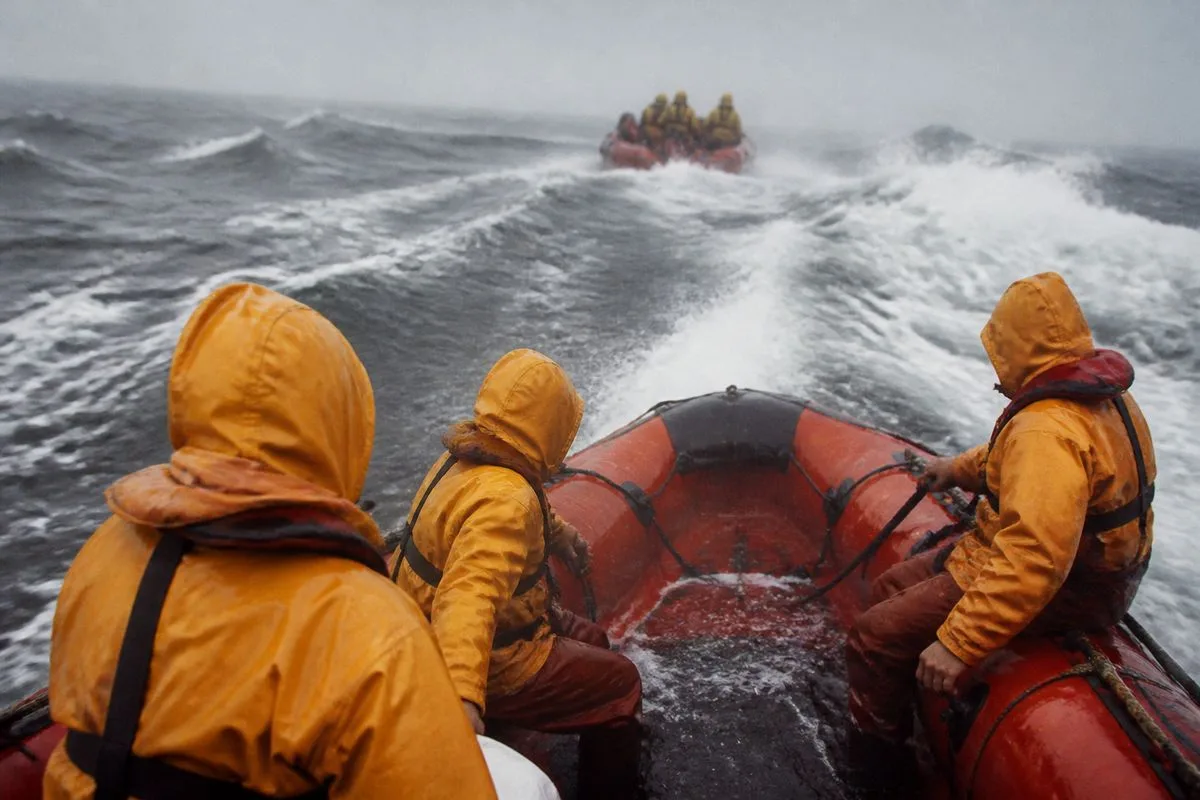
It is hard to talk about an overdue fishing boat off the Western Isles without talking about weather. The search comes during warnings of bad conditions in the area. A weather system containing the remnants of Hurricane Isaias is forecast to send gales, heavy rain, and a surge of warm air to parts of the UK. The Met Office issues a yellow warning for parts of the Highlands and Western Isles, with the risk of gusts touching 70mph in places. That number is not trivia, it is the difference between a manageable sea and a chaotic one.
Bad weather does not just increase the chance of an incident, it changes the search itself. Strong winds and rain reduce visibility for aircraft and surface crews. Sea state can make it harder for lifeboats to maintain search patterns, and it can push objects and people quickly, widening the search area. And there is the uncomfortable truth: in rough conditions, the window for survival in cold water can be short. The source material does not provide water temperature or survival time estimates, so it would be wrong to guess. But the operational implication is obvious, time matters, and weather steals time.
There is also a broader community impact that signals how severe conditions are. The same weather system leads to ferries being cancelled and disrupted as strong gales and rain hit Scotland. That matters because the Western Isles are not a place where you can casually reroute resources by road. If ferries are disrupted, moving equipment and personnel becomes harder, and local communities can feel cut off at the very moment they need support.
Availability and pricing: Weather is the one factor nobody can buy their way out of. Operators can invest in better vessels, better kit, and better training, but they cannot purchase calm seas. The “availability” question becomes whether it is safe to fly, safe to launch, and safe to keep crews out for hours at a time.
- Pros: Early warnings allow agencies to anticipate demand, and experienced crews in the Western Isles are used to operating in harsh conditions.
- Cons: High winds and heavy rain degrade search effectiveness, increase risk to rescuers, and can rapidly expand the search area.
Verdict: Weather is not background colour here, it is a central character, shaping both the incident risk and the limits of what rescuers can do.
4. The agencies involved, who does what when a fishing boat is overdue from Lewis
One reason people search for “overdue fishing vessel Western Isles” is to understand who is actually in charge. The answer is shared responsibility, and that can be confusing if you are not used to it. The Maritime and Coastguard Agency is the body that coordinates maritime search and rescue in the UK. In this case, the MCA provides the initial detail that the alarm is raised at about 21:20 when the boat is found to be overdue, and it describes the air assets used in the search.
Police Scotland plays a different role, but a crucial one. Police confirm that a body is recovered, that formal identification is still to take place, and that next of kin are being supported. Police involvement is not just about investigation, it is about family liaison, casualty management, and ensuring that information is handled properly. That last part matters, because in small communities rumours can travel faster than official updates, and that can be brutal for families.
Then there is the RNLI, which is often the most visible part of the response. The RNLI states Stornoway’s all weather lifeboat launches at 21:42, and that Lochinver’s all weather lifeboat joins later. The RNLI also describes the search continuing into Wednesday morning. In practical terms, RNLI lifeboats provide a persistent surface search capability, and their crews are trained for exactly this kind of scenario. But they are also volunteers, which is worth saying plainly. People leave their homes at night, in bad weather, because someone else is missing at sea. It is a big deal.
Availability and pricing: The public does not pay per launch, but the system relies on readiness. Lifeboats must be crewed, fuelled, maintained, and able to sail at short notice. The source material does not include cost figures, so any attempt to price a launch would be speculation.
- Pros: Clear division of roles, MCA coordination, RNLI operational response, Police Scotland handling casualties and family support.
- Cons: Information can be limited early on, and families and communities may experience long periods of uncertainty while searches continue.
Verdict: The Lewis search shows the UK model in action, coordinated centrally, delivered locally, and dependent on trained people turning out fast.
5. What this incident means for fishing safety in the Western Isles, and what changes after an overdue call
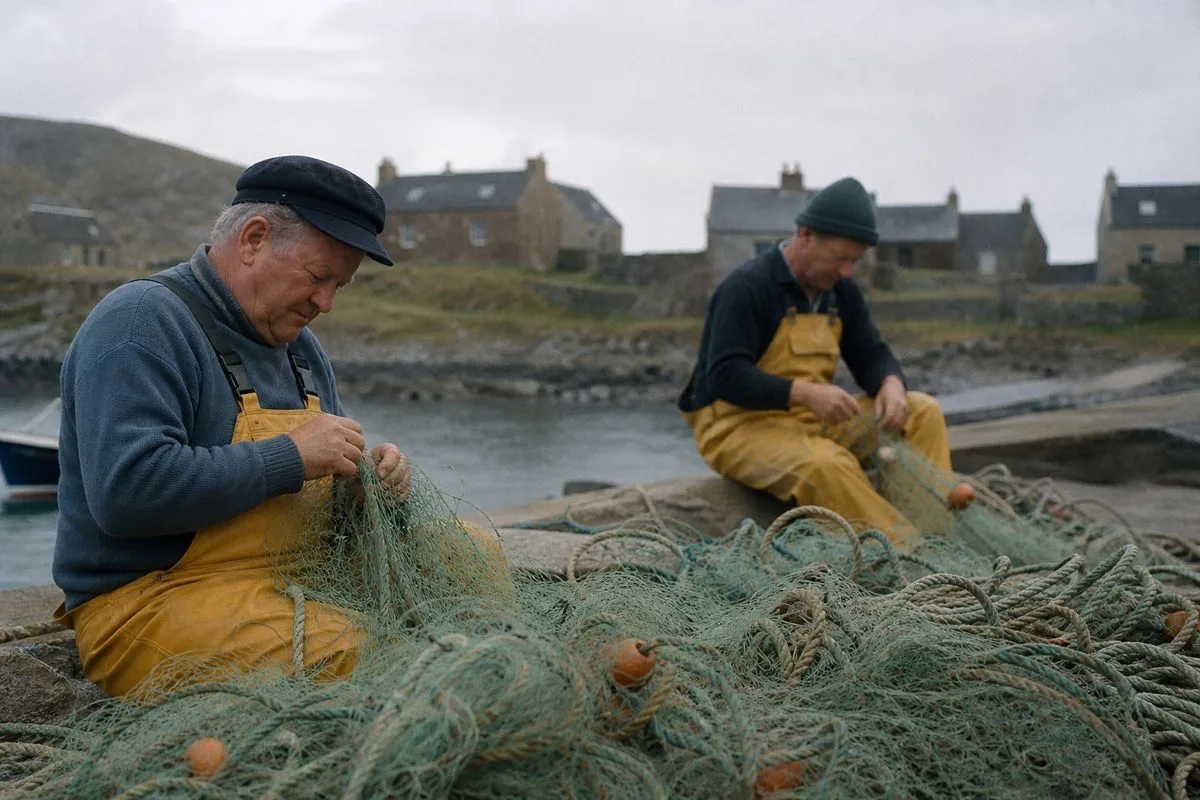
An overdue fishing boat is not just a single tragedy, it is also a stress test of the wider safety culture around small vessel fishing. The Western Isles have a proud fishing tradition, but they also sit beside some of the most unforgiving waters in Europe. When a boat fails to return, the immediate focus is rescue and recovery. But the longer term question is what lessons are taken, by skippers, by regulators, and by the wider industry.
It is important not to invent details about the vessel, its equipment, or the circumstances of the disappearance, because the source material does not provide them. There is no confirmed information here about the boat type, its name, whether it had a beacon, or what fishing it was doing. That absence is itself instructive. In the first hours of an incident, responders often work with limited facts, and that uncertainty can slow the narrowing of search areas. The public often assumes authorities know everything straight away. They do not.
Still, some implications are clear without guessing. First, the speed of the alert matters. The alarm is raised at 21:20 when the boat is overdue. That suggests someone notices and acts, which is exactly what should happen. Second, weather warnings underline the need for conservative decision making. Fishing is a business, and the pressure to go out can be intense, but gales and heavy rain change the risk equation fast. Third, the involvement of multiple assets shows how resource heavy these incidents are. Every callout pulls aircraft, lifeboats, and teams away from other potential emergencies.
Availability and pricing: For the industry, “pricing” shows up indirectly, in insurance, downtime, and the cost of safety equipment and training. None of those figures are in the source material, so they cannot be quantified here. But the direction of travel is obvious: prevention is cheaper than response, and it is kinder too.
- Pros: The incident reinforces the value of prompt overdue reporting, and it highlights the depth of SAR capability around the Western Isles.
- Cons: It also exposes how quickly conditions can overwhelm small vessels, and how limited information can hamper early search planning.
Verdict: The biggest takeaway is not about heroics, it is about margins, weather, communication, and the brutal reality that the sea does not negotiate.
6. Ranked practical lessons for crews and families, what to do when a vessel is overdue in the Western Isles
This final section is a ranked, practical checklist drawn from what the Lewis response demonstrates, and from the realities implied by the scale of the operation. It is written for people who might one day face the same awful uncertainty, whether they are on the boat, waiting at home, or working in the harbour community. It is not about blaming anyone. It is about being ready.
The criteria for ranking are simple: what most directly speeds up a rescue, reduces confusion, and improves the odds of a good outcome. Some of this will sound obvious. Fair enough. But in a crisis, obvious steps are the ones people forget.
1) Treat “overdue” as an emergency trigger, not a waiting game
In the Lewis case, the alarm is raised at about 21:20 when the boat is identified as overdue. That decision point is crucial. Waiting for another hour can mean the search area grows, weather worsens, and daylight disappears.
- Pros: Earlier alert means earlier lifeboat launch and earlier aircraft tasking.
- Key feature: Creates a clear timeline for responders to work from.
- Availability: Always available as a decision, but it depends on someone noticing and acting.
Verdict: If a vessel is overdue, act like it matters, because it does.
2) Know who to contact and what information to have ready
The MCA coordinates, the RNLI launches, Police Scotland supports families and handles casualties. That is the system. The public can help it work by having basic details ready, last known position, intended route, number of people on board, and when the vessel was expected back. The source material confirms there are three men on board, which is exactly the kind of detail that shapes the response.
- Pros: Reduces delays and repeated questioning.
- Key feature: Helps narrow search planning early on.
- Availability: Depends on record keeping and communication habits before sailing.
Verdict: Good information is as valuable as extra boats, sometimes more so.
3) Expect a multi agency response, and be patient with limited early updates
In this incident, six coastguard rescue teams, two RNLI lifeboats, a local boat, and Police Scotland are involved, alongside a plane and two helicopters. That many moving parts means updates can be careful and sometimes slow. Police state formal identification is yet to take place, which is a reminder that authorities will not rush sensitive details.
- Pros: Protects families from misinformation and ensures accuracy.
- Key feature: Multiple agencies cover different search environments.
- Availability: Strong in the Western Isles, but still constrained by weather and safety.
Verdict: No news does not mean no action, it often means careful work is happening.
4) Take weather warnings seriously, especially when gales are forecast
The Met Office yellow warning includes gusts potentially touching 70mph in places. That is not “a bit breezy”. It can disrupt ferries, and it can turn a routine trip into a survival situation. The Lewis search takes place against that backdrop, and it shows how quickly conditions can dominate events.
- Pros: Conservative decisions reduce the chance of incidents in the first place.
- Key feature: Weather awareness supports go or no go calls.
- Availability: Forecasts are available, but judgement is still required.
Verdict: If the forecast looks ugly, it probably is, and the sea will not cut anyone slack.
5) Understand that searches can be long, and support networks matter
The RNLI says the search continues into Wednesday morning. That single line hints at hours of effort in difficult conditions. For families, that means prolonged uncertainty. Police confirm next of kin are being supported by officers, which is vital, but communities also play a role, practical help, childcare, lifts, meals, and just being present.
- Pros: Sustained support reduces harm beyond the immediate incident.
- Key feature: Family liaison and community support run alongside operational searching.
- Availability: Depends on local capacity and coordination.
Verdict: Search and rescue is not only helicopters and lifeboats, it is people looking after people.
Final Verdict, what to take away from the overdue fishing vessel Western Isles search
The Lewis incident is ongoing as of 14 October 2026, and the confirmed facts are limited but heavy: one man is found dead, two are still missing, and a large scale search continues off Port of Ness. It is tempting to look for a single cause or a single failure. But the available information does not support that, and it would be irresponsible to speculate. What it does show, clearly, is the speed and seriousness with which an overdue report is treated, and the sheer amount of capability that can be mobilised quickly in the Highlands and Islands.
For anyone searching the phrase overdue fishing vessel western isles, the most useful answer is practical. When a boat is overdue, the response is immediate and multi layered, aircraft, lifeboats, shore teams, police support. Weather can make everything harder, and in this case there are warnings of gales and heavy rain with gusts potentially reaching 70mph. The uncomfortable truth is that even the best response cannot guarantee a rescue. But early reporting, good information, and cautious decision making before sailing can shift the odds in the right direction. Not perfectly. Just enough to matter.
This article was created with Blog Builder AI