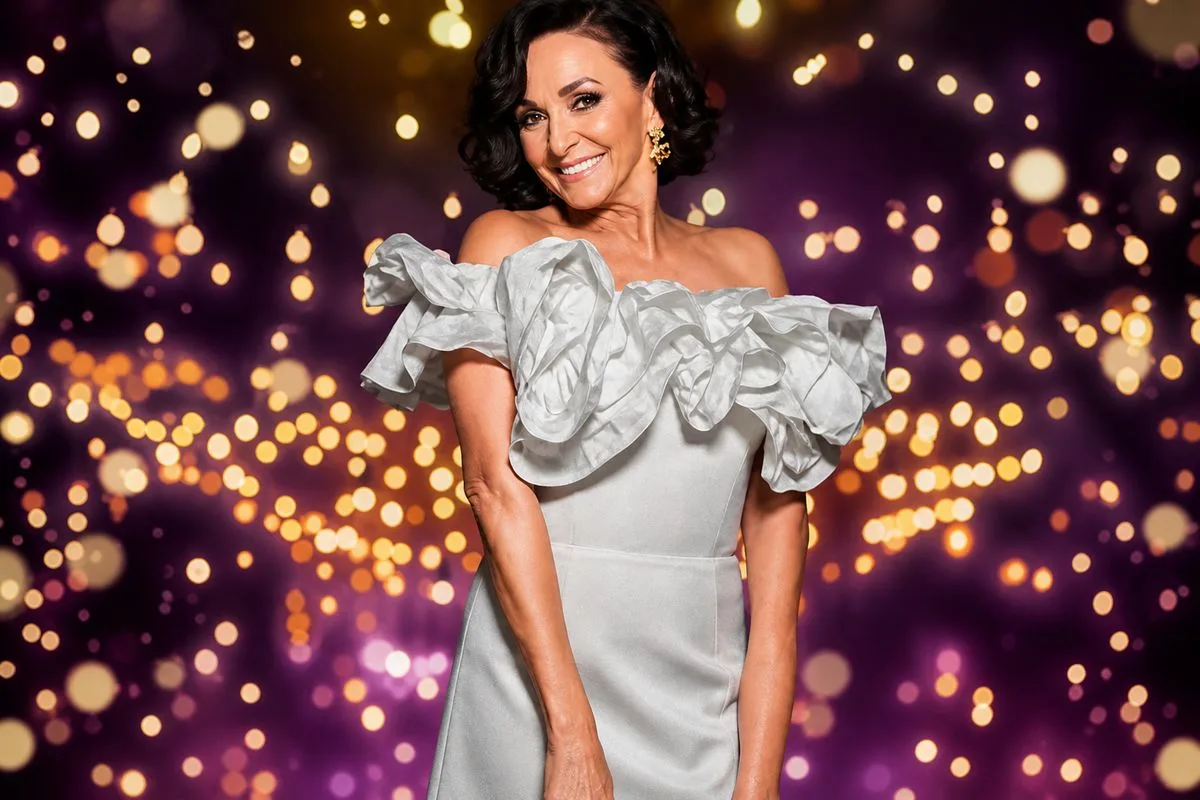
Shirley Ballas in 2026: the Strictly judge’s latest flashpoint, and why her influence keeps growing
Shirley Ballas and the latest Strictly flashpoint
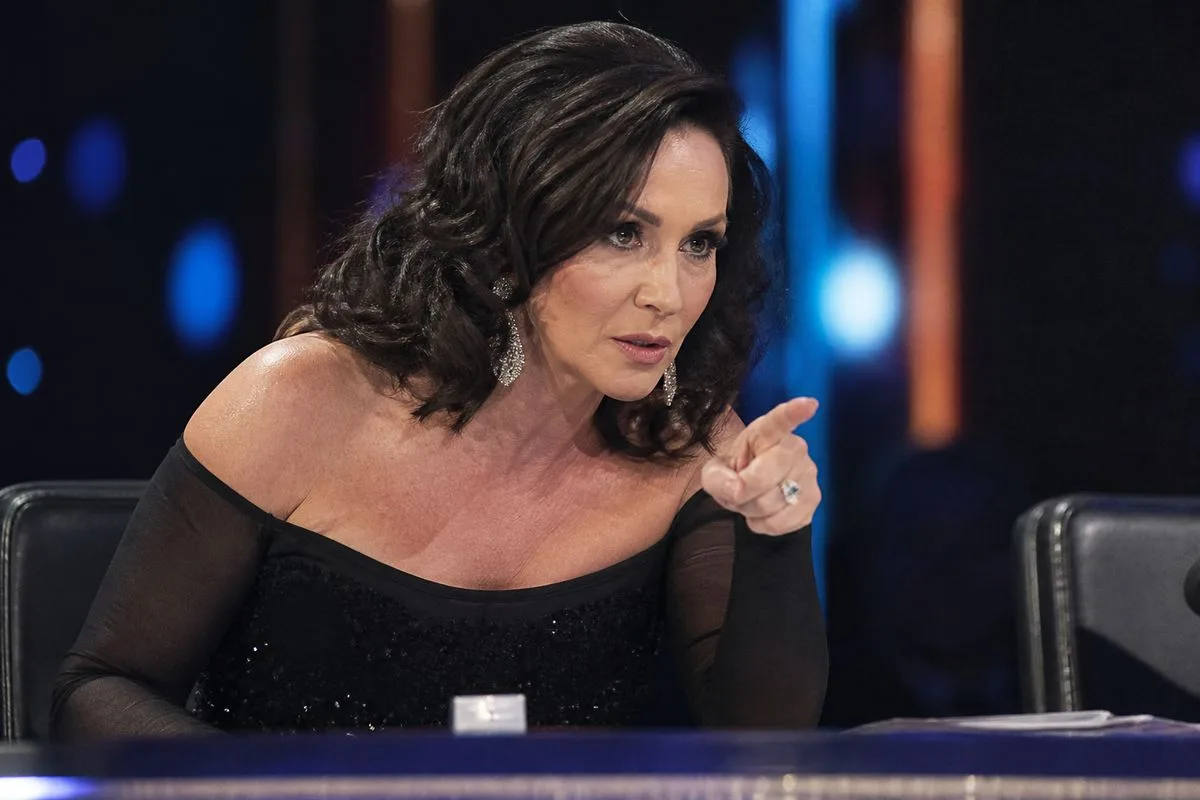
Shirley Ballas is back in the centre of the conversation this week, after fresh headlines report the Strictly Come Dancing head judge “hits out” at a professional dancer with a “stinging six word” warning. The exact wording of that six word line is not included in the source material provided here, so it cannot be quoted verbatim. But the shape of the story is familiar: Ballas delivers a pointed on air critique, it lands hard, and the debate immediately shifts from footwork and frame to tone, authority, and what viewers think a prime time judge should sound like in 2026.
It is also, frankly, a reminder of how much the show’s judging has become part of the entertainment product. Viewers do not just tune in for the routines, they tune in for the verdicts. And when the person delivering those verdicts is the head judge, the stakes rise. Ballas is not a guest panellist, she is the adjudicator in the most visible seat, and when she chooses to be blunt, it becomes the story.
What makes this moment notable is not simply that a judge criticises a pro, that happens in dance competitions all the time. It is that Ballas’s comments are now treated as cultural signals. Is she defending standards, or policing style? Is she being tough because she is the head judge, or because the show needs a sharper edge? Those questions are why a short warning can generate a long news cycle.

What the headlines actually tell us, and what they do not
The key development, based on the headline material, is a public reprimand aimed at a professional dancer, framed as a “brutal” warning. That framing matters. It suggests the remark is not a gentle technical note, it is a boundary being drawn. In the world of Strictly, where professionals are often treated as near untouchable by fans, a head judge criticising a pro can feel like a breach of the usual hierarchy.
At the same time, there are limits to what can responsibly be claimed from the information available. The source material does not specify which professional dancer is involved, what triggered the exchange, or the precise six word quote. It also does not provide any official statement from the BBC, from Ballas, or from the professional dancer. So the responsible read is this: the story is about Ballas’s judging style and the reaction it provokes, rather than a confirmed disciplinary incident behind the scenes.
Still, even without the missing specifics, the pattern is clear enough to analyse. Ballas’s authority is rooted in competitive dance culture, where judges are expected to be direct and where critique is part of the craft. But Strictly is not a closed competition hall. It is a mass audience entertainment show, with social media commentary running in parallel, and with contestants and professionals who are also public figures. A “stinging” line is never just a line anymore, it is content that gets clipped, shared, and argued over.
Shirley Ballas’s credentials, and why they still carry weight
It is easy for TV debate to flatten people into characters, the stern judge, the soft judge, the pantomime villain. Ballas’s actual professional background is more substantial than that. Her own public biography describes her as a “10x USA Champ” and an “Open UK Champ”, and positions her as a “world class ballroom and Latin coach”. That is not marketing fluff in the abstract, it is the kind of competitive pedigree that, in dance circles, signals serious authority.
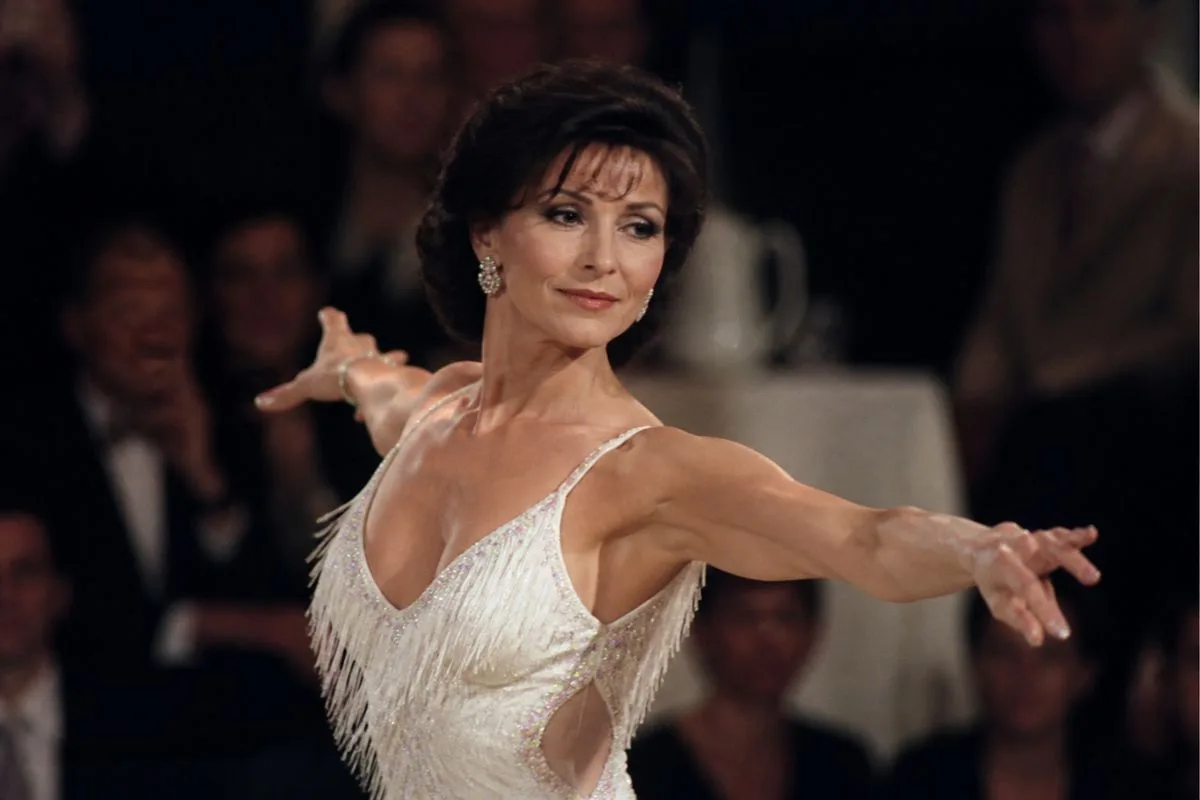
Her public profile also identifies her as Head Judge on Strictly Come Dancing, and as a judge connected to Dancing with the Stars and DWTS: The Next Pro. That cross format presence matters because it places her in a small group of dance adjudicators who operate across major TV franchises. In other words, she is not only interpreting dance for a British Saturday night audience, she is part of a wider ecosystem that shapes what “good” ballroom and Latin looks like on television.
There is also a structural point here. When a show appoints a head judge with deep competitive credentials, it is making a promise to viewers: the judging will have a backbone. Ballas’s job is not simply to be likeable. It is to set a standard, defend it, and explain it in language a general audience can follow. That is a tricky balance, and it is why her sharper moments generate both applause and backlash.
Shirley Ballas on modern dance TV: Strictly, DWTS, and the changing role of a judge
In 2026, dance judging on television is a different beast from what it was even a decade ago. The judge is no longer just an expert, they are a performer in their own right. They are expected to deliver technical critique, emotional narrative, and a quotable line, all in under a minute. And they are expected to do it while knowing that every syllable will be replayed online.
Ballas sits at the centre of that shift because she embodies two worlds at once. On one hand, she is rooted in the competitive tradition, where adjudicators are trained to spot detail and call it out. On the other, she is a TV figure, with a public facing persona that has to work for millions of viewers who may not know a heel lead from a toe lead. When she “hits out”, it can be read as authenticity by some, and as unnecessary harshness by others.
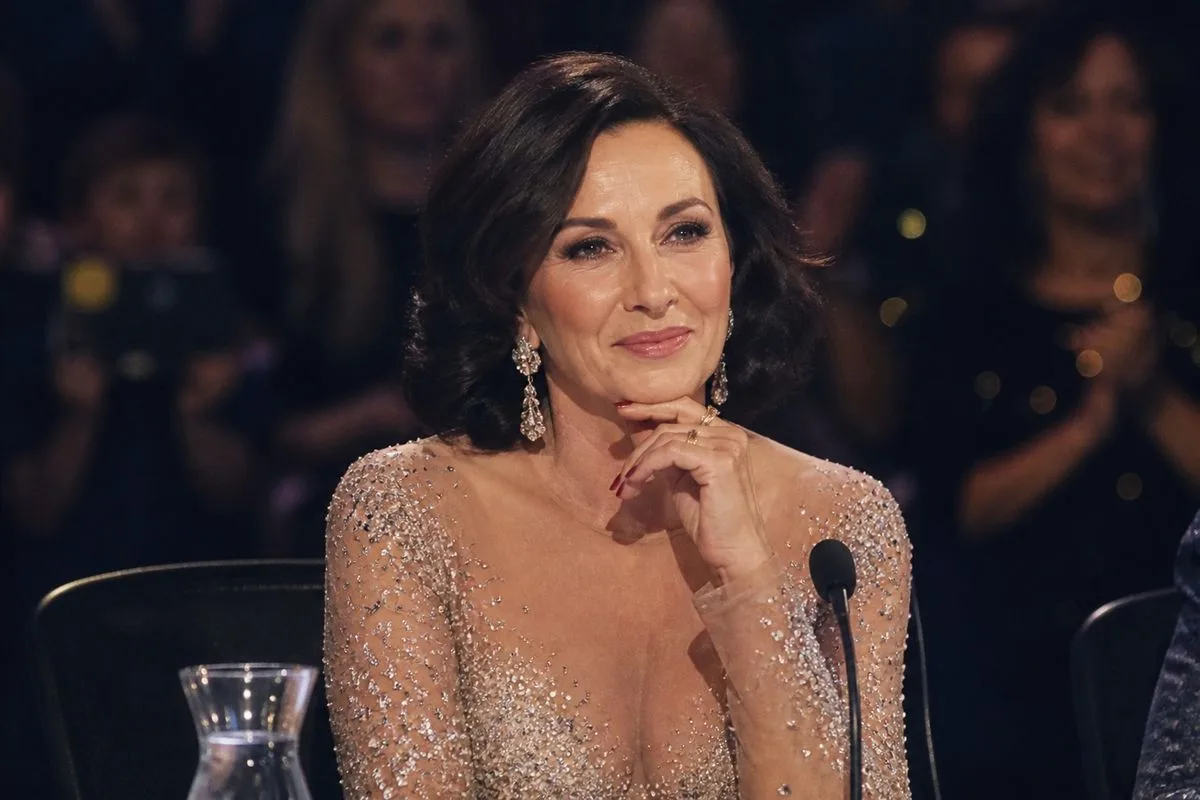
Community discussion around Ballas also shows how polarised the conversation can become. On fan forums, commenters argue over whether her approach is fair, whether she treats different contestants differently, and whether her style fits the show’s tone. Those are opinions, not verified facts, and they should be treated as such. But they are still important because they reveal the pressure points: gender dynamics, perceived favouritism, and the expectation that entertainment judging should feel consistent week to week.
Her association with DWTS: The Next Pro adds another layer. A spin off format aimed at emerging talent naturally invites a more developmental style of critique. If Ballas is introduced there as a multi time champion, it reinforces her authority. But it also raises expectations that she will be both exacting and constructive. That tension, tough love versus TV drama, is where the modern judging debate lives.
How a “six word warning” becomes a bigger story about Shirley Ballas
On paper, a short warning should be a small moment. But in practice, it becomes a proxy for bigger arguments about what Strictly is meant to be. Is it a competition first, where standards must be protected even if feelings get bruised? Or is it a feel good entertainment show, where critique should be softened because the audience is there for joy, not judgement?
Ballas’s position as head judge means she is often the one who has to draw the line. When the panel is split, she becomes the anchor. When the show needs clarity, she provides it. And when the show needs a headline, well, it is not exactly groundbreaking that a sharp line from the head judge will do the job. That does not mean the moment is manufactured, it means the format rewards decisiveness.
There is also the question of the target. A warning aimed at a celebrity contestant is one thing, the contestant is learning and the audience expects critique. A warning aimed at a professional dancer is different because the pro is supposed to be the expert in the partnership. If Ballas is publicly challenging a pro, she is implicitly saying the issue is not just performance on the night, it is approach, choreography, or standards. That is why fans react strongly, it feels like the show’s internal hierarchy is being renegotiated in real time.
And then there is the media logic. A “six word warning” is a neat package. It is easy to repeat, easy to clip, easy to argue about. Even without the exact quote in the material provided, the framing tells you what kind of story it is: a moment designed, intentionally or not, to travel.
Why It Matters
The bigger significance of this episode is not whether Ballas was “too harsh” in one exchange. It is what her prominence says about the direction of dance television. In 2026, the expert is being asked to do two jobs at once: protect the integrity of the craft, and serve the pace of entertainment. That is a hard compromise. If the judge leans too far into entertainment, the show risks becoming vibes only. If the judge leans too far into technical purity, the show risks losing the casual audience. Ballas is one of the few mainstream figures who can credibly argue for technique on prime time TV, and that is a big deal for the art form.
There is also an industry angle. Ballroom and Latin exist beyond television, in studios, competitions, and teaching pipelines. When a head judge with Ballas’s competitive credentials publicly draws a line, it signals to that wider world that standards still matter on the biggest stage. That can influence how choreographers build routines, how professionals choose to teach celebrities, and how younger dancers imagine success. The show is entertainment, yes, but it is also a shop window for the discipline.
Finally, there is a cultural point that often gets missed. Viewers are not just judging the dancing, they are judging the judging. They are watching for consistency, for perceived bias, for how criticism is delivered to different people. Ballas becomes a lightning rod because she is the authority figure, and audiences love to test authority. In that sense, the “six word warning” is less about one pro dancer and more about the ongoing negotiation between expertise and public taste. That negotiation is not going away, it is the format now.
Shirley Ballas in context: comparisons, expectations, and what comes next
Judges in long running entertainment franchises tend to fall into archetypes: the warm mentor, the comedian, the hard marker. Ballas is often placed in the hard marker lane, but her role is more specific than that. As head judge, she is expected to be the final word when the panel needs grounding. That is why her comments carry extra weight, and why her sharper moments create bigger ripples than similar remarks from others might.
It is also worth noting that Ballas’s public identity is not limited to Strictly. Her biography positions her as a coach and adjudicator, and her social media presence is substantial, with her Instagram profile listing 455K followers at the time of the source snapshot. That kind of audience means she is not only being interpreted through the BBC edit, she is also communicating directly to fans and the dance community. In modern celebrity culture, that direct channel changes the power balance. It can soften a controversy, or it can keep it alive, depending on how it is used.
So what happens next? Without more confirmed detail, it would be wrong to predict any formal fallout from this particular exchange. But it is reasonable to say the broader dynamic continues. Ballas remains a central figure in the way Strictly is discussed, not just because she scores dances, but because she symbolises the show’s claim to expertise. As long as the programme wants to be both a competition and a spectacle, the head judge will keep ending up in the headlines.
And for viewers searching “shirley ballas” right now, that is the real takeaway. This is not a one off storm. It is the ongoing story of how a champion trained in a strict competitive tradition navigates a mass audience entertainment machine, and how that machine, in turn, uses her authority to keep the stakes feeling real.
This article was created with Blog Builder AI