
Twitch on Your TV in 2026: How Streaming Works, What You Need, and What’s Changing
Twitch on the big screen, and why it matters in 2026
Watching twitch on a phone or laptop is fine, but it is not the same as settling in on the sofa and putting a live stream on the TV. That shift, from personal screen to shared screen, is exactly what sits behind the latest wave of “how to stream Twitch on your TV” coverage. The headline itself is not about a new product launch or a sudden policy change, it is about a practical reality: more people want Twitch to behave like a living room service, not just a niche site for gamers.
And it is a big deal because the living room is where mainstream habits form. When Twitch is easy to watch on a television, it competes more directly with YouTube, live sport apps, and the endless scroll of subscription TV. When it is fiddly, it stays in the “second screen” category, something people dip into while doing something else. The news hook here is simple, but the implications are not: Twitch’s reach, creator growth, and ad value all look different when the platform becomes genuinely TV friendly.
There is a catch, though. The available source material here is limited to a single headline and a short summary, with no full article text successfully scraped. That means there are no specific device lists, step by step screenshots, or official statements to quote. So this piece focuses on what the headline signals, what viewers typically need to stream Twitch on a TV in 2026, and what the broader industry consequences look like, without inventing product claims or statistics that are not present in the source.

The development: “How to stream Twitch on your TV” becomes a mainstream question
The immediate development is editorial rather than corporate: a major consumer tech outlet runs guidance on streaming Twitch on a television. That kind of coverage tends to pop up when a behaviour is common enough to justify it. In other words, it is not just hardcore fans asking anymore. It is casual viewers, parents, flatmates, and people who treat live streams like background entertainment, the same way previous generations treated daytime TV.
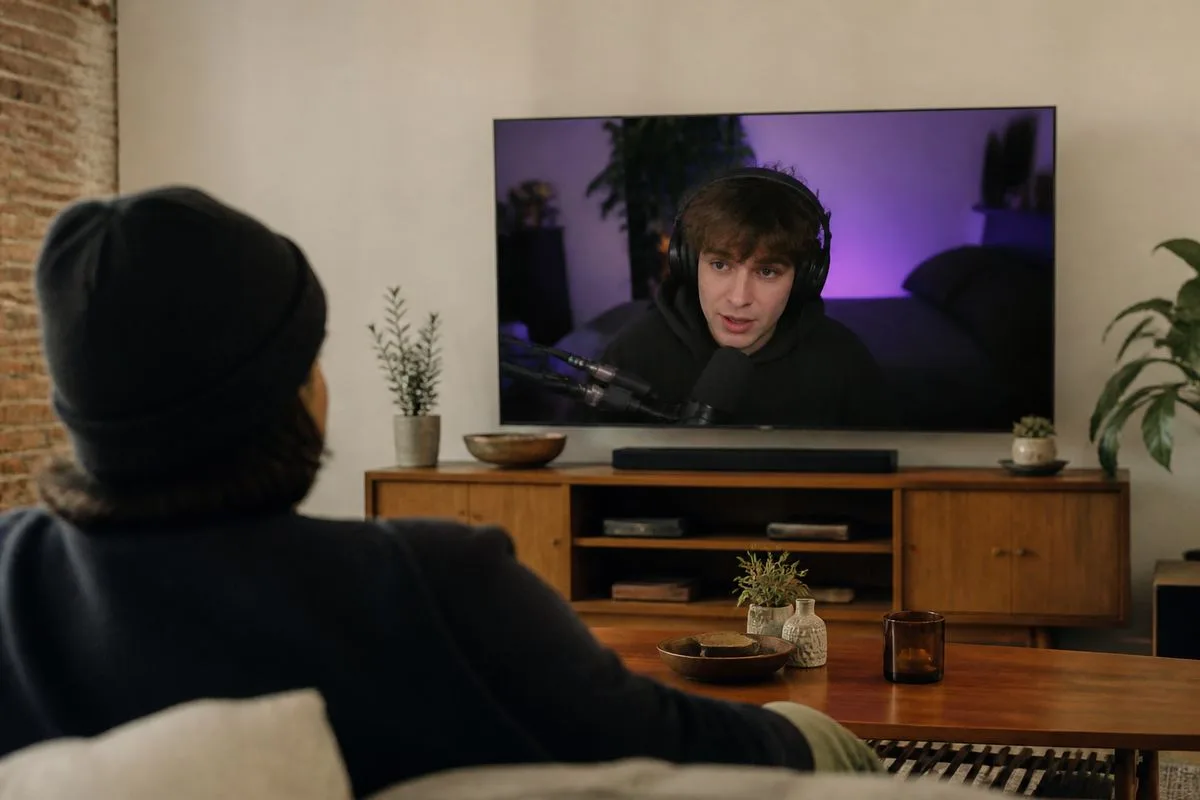
It also reflects how Twitch consumption is changing. Twitch is still strongly associated with live gaming, but the “TV question” usually comes from a broader set of categories: talk shows, music streams, esports tournaments, creative channels, and long form community broadcasts. These formats suit a bigger screen. They also suit group viewing, which is where Twitch can feel less like a solitary hobby and more like a social event.
There is another angle here that is easy to miss. Guidance articles often appear when the user experience is fragmented. If streaming Twitch on a TV were universally straightforward, people would not search for it in such volume. The fact that “how to” content remains relevant suggests a messy ecosystem: different TV operating systems, different streaming sticks, different casting standards, and different account and login flows. Fair enough, that is the modern living room. But it has consequences for Twitch’s ability to present itself as frictionless entertainment.
How Twitch typically reaches a TV: the main routes viewers use
In 2026, getting Twitch onto a TV usually happens through one of three routes: a native Twitch app on a smart TV or streaming device, casting from a phone or computer, or connecting a computer directly to the television. Each approach has trade offs. And the “right” answer depends on what the viewer cares about most: ease, picture quality, chat visibility, or reliability.
Native apps are the cleanest experience when they exist and are maintained. A native app means the TV or streaming box handles playback directly, typically with a remote friendly interface. The upside is simplicity. The downside is that app availability and app quality vary wildly by platform and region, and app support can change over time. That is not unique to Twitch, it is just the reality of smart TV ecosystems, where manufacturers and app developers do not always move in sync.
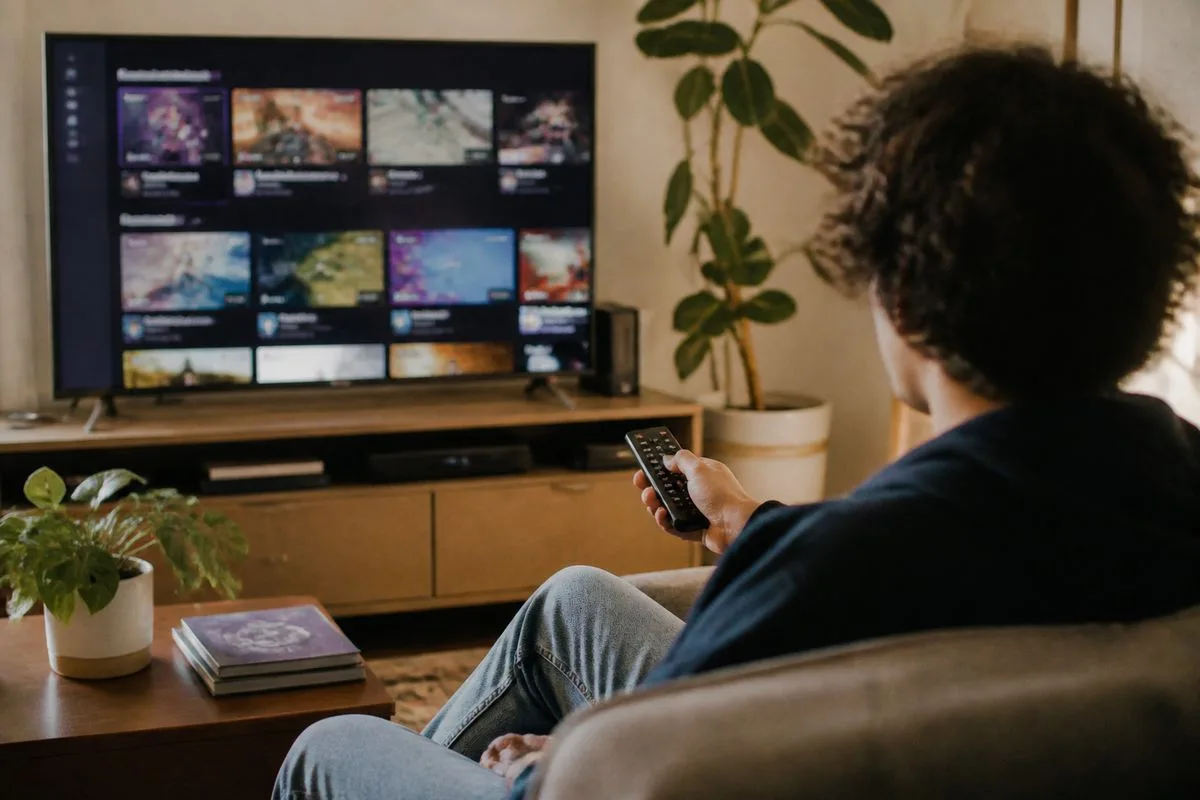
Casting is the “use what you already have” option. A viewer opens Twitch on a phone or laptop and sends the video to the TV via a casting protocol supported by the television or a connected dongle. This can be surprisingly smooth, but it can also be temperamental, especially on congested home networks. Casting also changes the control model: the phone becomes the remote, which some people love and others find annoying (particularly when someone walks off with the phone mid stream).
HDMI from a computer is the blunt instrument that almost always works. It is not elegant, but it is dependable. It also preserves the full desktop Twitch experience, including chat, moderation tools for channel owners, and browser extensions. The drawback is obvious: cables, setup, and the general faff of making a computer behave like a set top box. Still, for viewers who care about chat, or who want to run Twitch in a browser with specific settings, it remains a common solution.
Chat, the awkward part of “Twitch on TV”
Watching Twitch is not just watching video. It is watching video plus chat, plus alerts, plus the sense that something is happening live with other people. On a TV, chat becomes the tricky bit. Some native apps show chat in a side panel, some hide it behind a button, and some make it feel like an afterthought. Casting can make chat even more awkward, because the TV shows the stream while the phone shows chat, splitting the experience across two screens.
This matters because chat is not decoration. It is part of the product. Streamers build communities through it, moderators manage it, and viewers often keep watching because the chat is entertaining. Any “Twitch on TV” solution that ignores chat is basically turning Twitch into a passive video service, which is not what makes it special in the first place.
Background: what Twitch is trying to be, and why the TV is a battleground
Twitch sits at the intersection of live entertainment, creator economy, and community platforms. It is not simply a place to host video. It is a place where creators perform in real time, audiences react in real time, and the platform monetises attention through a mix of advertising and creator support features. The living room matters because it is where attention becomes longer, more relaxed, and often shared. That is valuable time.
Historically, Twitch grows up as a desktop first experience, then becomes mobile friendly as viewing habits shift. The TV is the next logical step, but it is also the hardest. Smart TVs are fragmented, remote controls are limited, and login flows can be painful. And unlike on a phone, viewers cannot easily type. That makes following channels, searching, chatting, and redeeming interactive features more difficult. Twitch has to decide what “TV mode” even means: a simplified lean back experience, or a full fat Twitch experience with interactivity preserved.
There is also a competitive context. YouTube is ubiquitous on TVs. Many households treat it as a default channel. Live sport apps have trained viewers to accept live streams on big screens. And social video platforms keep pushing into long form viewing. Twitch does not need to become identical to these services, but it does need to be present where viewers spend time. Otherwise it risks being the thing people watch alone, rather than the thing people put on in the background while friends are over.
Devices and platforms, the unglamorous reality
The reason “how to stream Twitch on your TV” remains a recurring topic is that there is no single TV platform. There are smart TVs with different operating systems, streaming sticks and boxes with their own app stores, and game consoles that double as media hubs. Each environment has its own rules, performance constraints, and update cycles. That creates inconsistency. A method that works perfectly in one household can be a headache in another.
And then there is the network. Live streaming is less forgiving than on demand video because latency and stability matter. A TV connected over Wi Fi at the far end of the house might struggle, while a wired connection or a mesh network makes everything feel effortless. Viewers often blame the app, but the bottleneck can be the home setup. That is not a Twitch specific problem, but Twitch is the one that gets the angry sigh when the stream buffers.
What this means for Twitch creators, advertisers, and the wider streaming industry
If Twitch viewing shifts more decisively to TVs, the platform’s internal economics change. TV viewing tends to mean longer sessions, more passive consumption, and potentially more ad inventory. But it also changes how audiences behave. A viewer on a TV is less likely to chat constantly. They might lurk. They might watch with other people. They might treat the stream like a show. That can be great for reach, but it can dilute the hyper interactive vibe that some channels rely on.
For creators, the opportunity is obvious: “living room friendly” content can travel further. Big events, tournaments, watch parties, and talk formats are naturally suited to the TV. But creators may need to adapt production. Text overlays that look fine on a monitor can become unreadable from a sofa. Audio mixing matters more. On screen alerts can be distracting on a big display. And if chat is less visible, creators may need to read chat aloud more often, or use on screen prompts that keep the audience feeling involved.
Advertisers will watch this closely. TV is still the mental model for premium advertising, even in a streaming world. If Twitch can credibly claim more living room viewing, it becomes easier to pitch brand campaigns that look and feel like television, while still offering digital targeting and measurement. But there is a tension: Twitch’s brand is built on authenticity and community. Overloading the TV experience with ads could backfire, especially if viewers compare it to subscription services with fewer interruptions.
For the wider industry, Twitch’s TV push, even if it is driven by user demand rather than a single announcement, reinforces a trend: live creator content is no longer confined to personal devices. The line between “TV content” and “internet content” keeps dissolving. That is not exactly groundbreaking as a concept, but the practical shift is real. When a platform becomes easy to watch on a TV, it stops being a niche habit and starts being part of the household media mix.
Twitch on TV: common friction points, and how viewers usually work around them
Even without the full text of the guidance article, the typical pain points are well known. First is app availability. Some viewers expect a Twitch app to be present on every smart TV, and that is not always the case. When the app is missing or outdated, the workaround is usually to use a streaming stick or box that has better app support, or to cast from a phone.
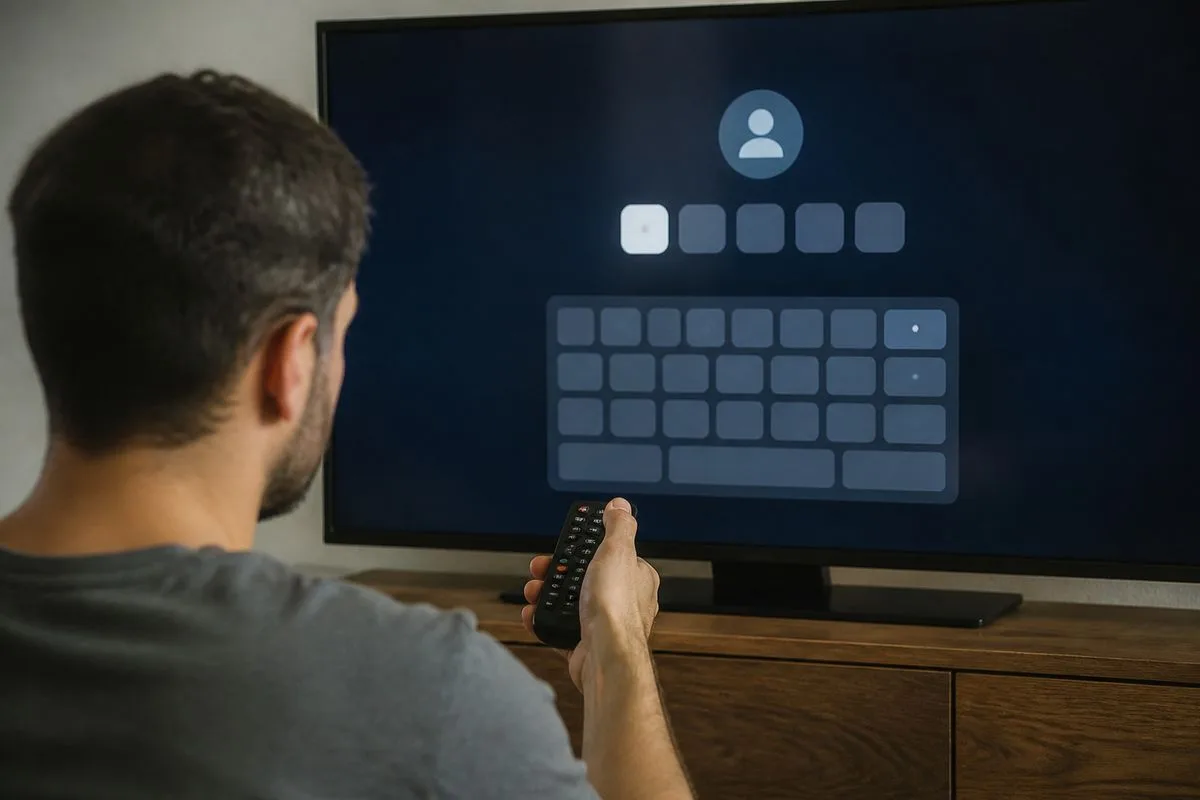
Second is login and account management. Logging into a TV app can be a chore, especially if it requires typing long credentials with a remote. Many TV apps rely on pairing flows or code based sign ins to reduce friction, but the experience still varies. Viewers who bounce off at this stage often default to casting, because the phone is already logged in.
Third is quality and stability. Live streams can fluctuate in bitrate. Some TV apps handle adaptive streaming smoothly, others stutter or drop resolution aggressively. Viewers often fix this by changing stream quality manually, moving the TV to a wired connection, or reducing network congestion. It is not glamorous advice, but it is the difference between “Twitch works on my TV” and “Twitch is unreliable”.
Finally there is discoverability. Twitch discovery is already a challenge on desktop, and it can be worse on TV interfaces that prioritise big tiles and minimal text. Searching with a remote is slow. Browsing categories can feel clunky. That pushes viewers towards following channels on mobile or desktop, then using the TV purely for playback. In practice, many households end up with a two device routine: phone for discovery and chat, TV for video.
What’s Next
Over the next year, the most important change to watch is not a single app update, it is whether Twitch can make the TV experience feel intentional rather than improvised. That means clearer design choices: does Twitch on TV prioritise lean back viewing, or does it try to preserve interactivity? The answer will shape everything from interface layout to how prominently chat appears, and whether features like channel points and polls feel natural on a remote controlled screen.
There is also a strategic question about partnerships and platform support. If Twitch wants to be a default TV app, it needs consistent presence across the devices people actually buy. That is harder than it sounds. TV manufacturers have their own priorities, and streaming device platforms have their own app policies and commercial incentives. Twitch will likely keep leaning on the ecosystems where it can deliver the most reliable experience, while viewers in less supported environments continue to rely on casting and HDMI as the universal fallbacks.
And then there is the content shift. As more viewing happens on TVs, creators who can produce “sofa friendly” streams will have an edge. Expect more event style programming, more structured segments, and more emphasis on audio clarity and readable visuals. Not everyone will go that way, and that is fine, Twitch thrives on variety. But the centre of gravity could move slightly from “sit at a desk and chat” towards “put on a show people can watch together”. If that happens, Twitch’s relationship with advertisers, rights holders, and even traditional broadcasters gets more complicated, and more interesting.
Closing thoughts: Twitch’s TV moment is about habit, not hype
The headline that sparks this article is practical: how to stream Twitch on a TV. But the underlying story is bigger. It is about Twitch trying to live in the same space as mainstream entertainment, literally in the living room, and about viewers wanting the platform to fit into their daily routines without friction. The more Twitch becomes “easy TV”, the more it competes for time against every other big screen option.
At the same time, Twitch cannot afford to lose what makes it Twitch. The platform’s magic is live community, the sense that anything can happen, and the feeling that viewers are part of the show. Bringing that to TV is not impossible, but it requires careful design and consistent device support. Otherwise Twitch on TV becomes just another video app, and that is a crowded field.
For now, the takeaway is straightforward. People want Twitch on the biggest screen in the house, and they are searching for ways to make it work. That demand is not going away. If anything, it is a signal that Twitch’s next phase is less about convincing people to watch live streams, and more about making live streams fit wherever people already watch everything else.
This article was created with Blog Builder AI
Create AI-powered blog posts from YouTube videos, web pages, or your own writing
Start CreatingLoading comments section...